How to Set Up a Profitable Textile Trading Business in the UAE 2026 Guide?

How to Set Up a Profitable Textile Trading Business in the UAE 2026 Guide?
Table of Contents

    Introduction

    The UAE is one of the most attractive hubs in the region for textile trading, thanks to its strategic location, strong re export market, and vibrant retail scene in areas like Bur Dubai. Setting up your textile trading company correctly, mainland for retail shops and freezone for B2B and international trading, is crucial for long term success.

    Why the UAE is Ideal for Textile Trading?

    The UAE acts as a gateway between Asia, Europe, and Africa, making it a powerful base for importing and re exporting textiles. With strong demand from fashion retailers, uniform suppliers, and wholesalers, textile trading can be a sustainable and profitable business.

    • Strategic logistics hub with access to major seaports and airports.
    • Strong re export market serving GCC, Africa, and CIS markets.
    • Stable business environment with investor friendly regulations.

    Useful government portals you can refer to

    Setting Up a Textile Trading Shop in UAE Mainland

    For retail textile trading, a physical shop is mandatory, which is why this model is only possible on the mainland. A mainland license allows you to sell directly to walk in customers and work with local distributors and boutiques.

    • You obtain a commercial license from the relevant emirate’s economic department, for example Dubai Department of Economy and Tourism.
    • You must lease a shop in an approved commercial area, such as Bur Dubai, Deira, or local markets.
    • You can trade directly with the local market and participate in local B2C promotions and sales.

    Economic departments

    How to Set Up a Profitable Textile Trading Business in the UAE 2026 Guide

    Benefits of a Textile Trading Shop in Mainland

    Opening a textile shop in UAE mainland is ideal for retail and local wholesale operations. It gives you immediate access to footfall, especially in textile hotspots like Bur Dubai.

    • Ability to sell directly to walk in retail customers and tourist traffic.
    • Freedom to trade with any company or individual within the UAE market without a local distributor.
    • Better visibility in established textile clusters, leading to consistent cash sales and repeat local clients.

    For investors who want a physical presence and retail branding, a mainland shop is often the preferred structure.

    Textile Trading in Bur Dubai, A Proven Market

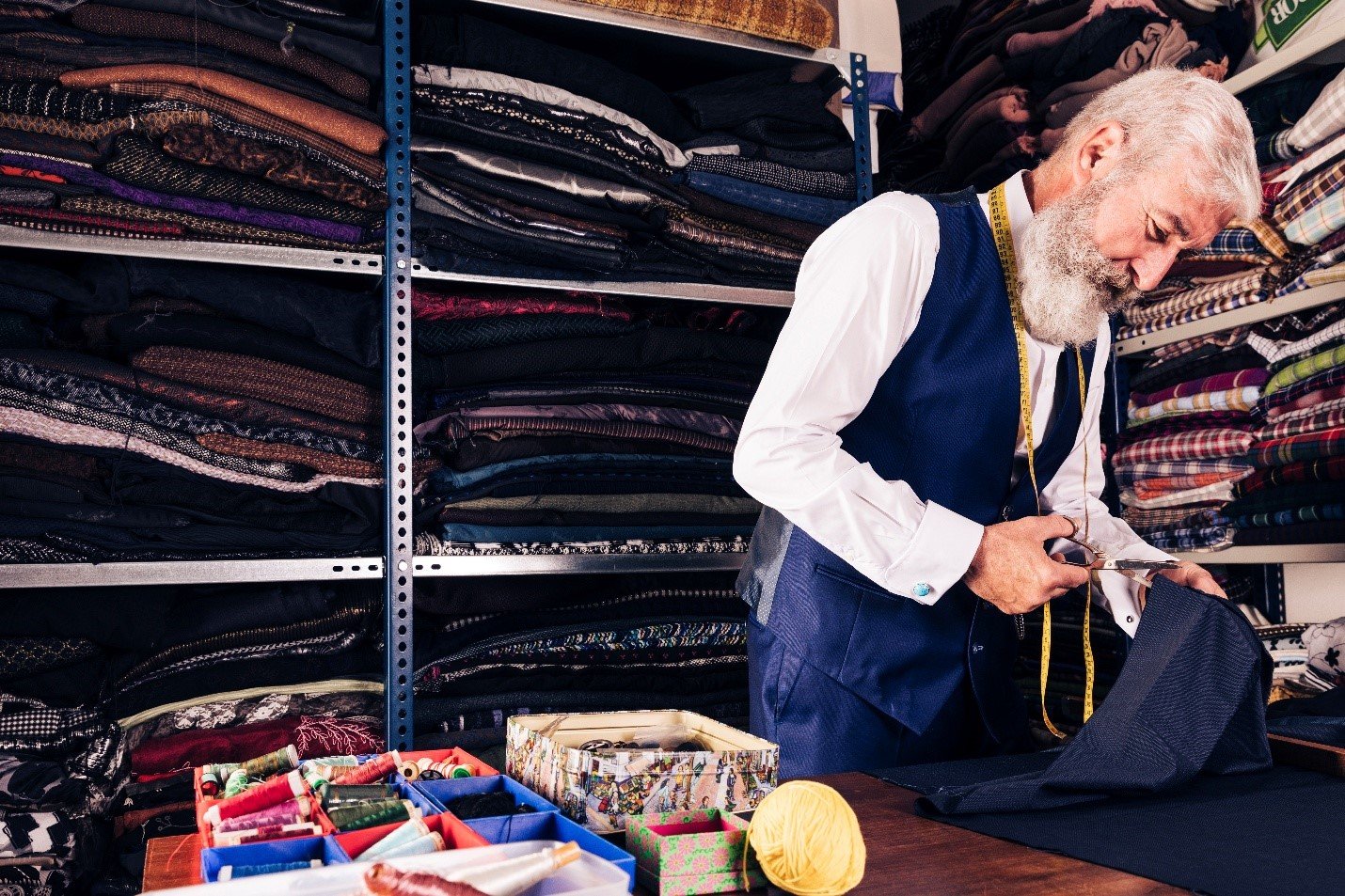
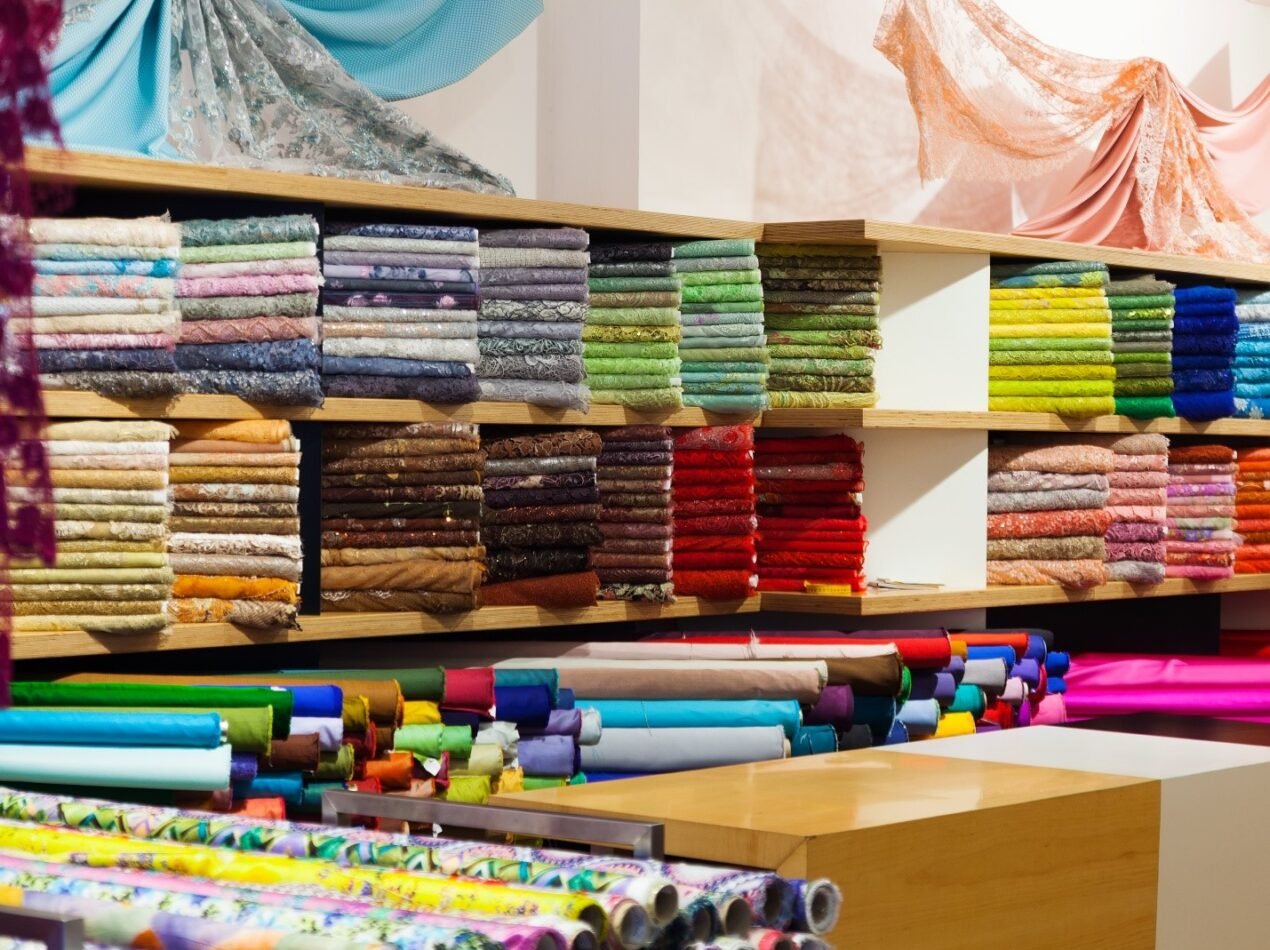
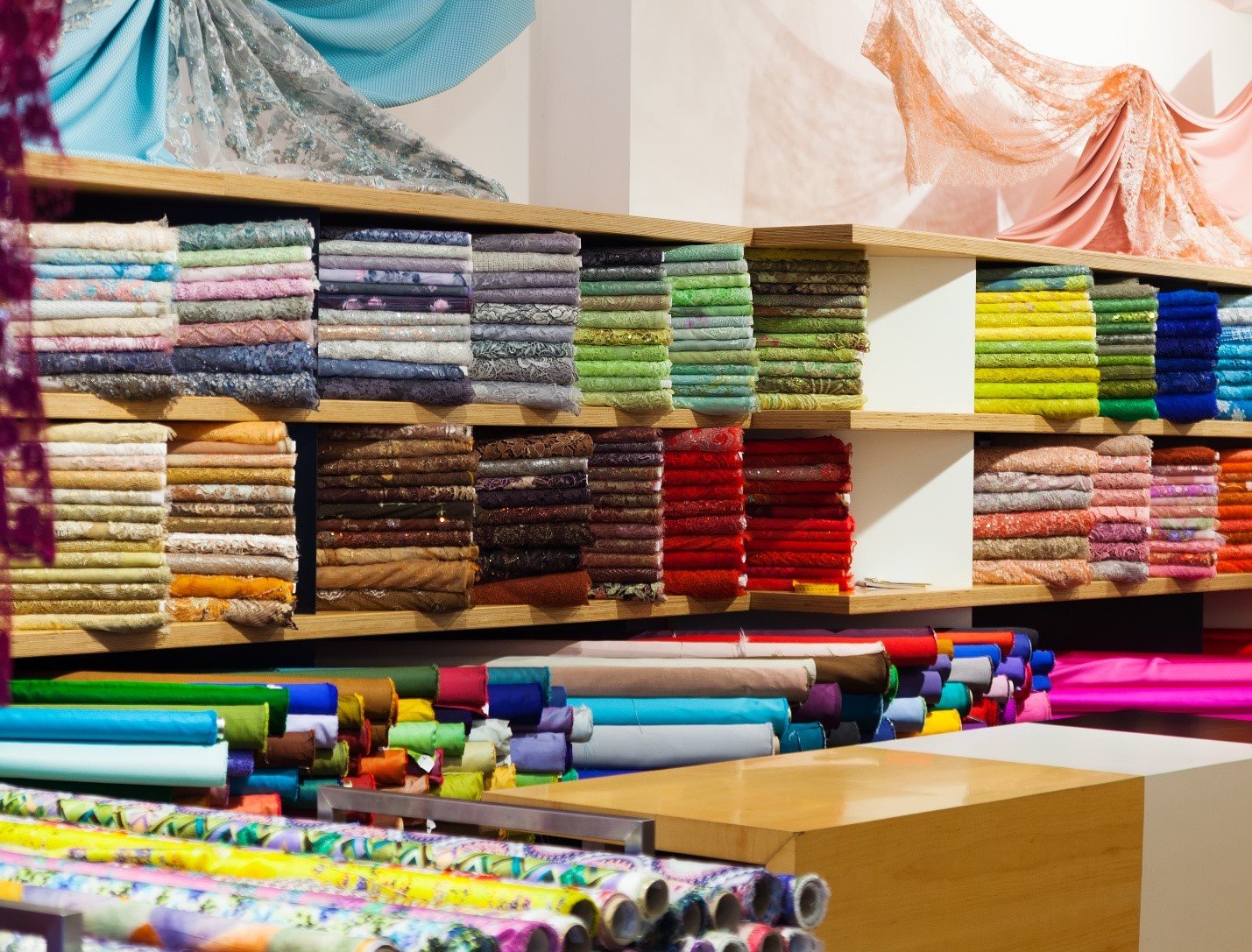
    Bur Dubai is one of the oldest and busiest textile markets in the UAE, known across the region for fabrics, dress materials, and ethnic wear. The area attracts both local residents and tourists looking for high quality textiles at competitive prices.

    • Dense concentration of textile shops and wholesalers in Meena Bazaar and surrounding streets.
    • Strong demand for ethnic wear, suitings, shirtings, abaya fabrics, and bridal materials.
    • Ideal for building a loyal local customer base and benefiting from tourist traffic.

    A well-positioned shop in Bur Dubai can generate strong daily cash sales if supported by good sourcing and competitive pricing.

    Freezone Textile Trading, Ideal for B2B and International Trade

    If your focus is B2B or international trading rather than walk in retail, setting up in a UAE freezone can be very advantageous. Freezone companies can easily trade with overseas buyers and regional distributors, and are especially attractive for online and bulk textile operations.

    • Suitable for import export, wholesale, and re-export of fabrics and garments.
    • Often lower setup and renewal costs compared to premium mainland retail locations.
    • Simplified customs processes and warehouse options in selected zones.

    Remember, freezone companies typically cannot trade directly with the UAE local market without using a local distributor or mainland partner, but they are excellent for cross border textile trading.

    Best Freezones for Textile Trading, RAKEZ, IFZA, Meydan and Ajman

    Several freezones are popular choices for textile traders due to flexible packages and strategic locations. Choosing the right one depends on your budget, target markets, and operational needs.

    • RAKEZ, Ras Al Khaimah Economic Zone, competitive pricing, warehousing options, ideal for bulk import export and regional distribution.
    • IFZA Dubai, Dubai address with flexible license-packages, suitable for traders who also value brand positioning in Dubai.
    • Meydan Free Zone Dubai, smart office solutions for light trading, good for entrepreneurs starting lean with online and B2B operations.
    • Ajman Free Zone, cost effective packages, suitable for startups and small traders looking to keep overheads low.
    How to Set Up a Profitable Textile Trading Business in the UAE 2026 Guide

    Profit Potential in Textile Trading

    Textile trading in the UAE can be highly profitable when you combine competitive sourcing with the right sales channels, retail in mainland and B2B via freezone. The constant demand from fashion retailers, tailors, uniform makers, and export buyers keeps turnover healthy.

    • Ability to source low-cost fabrics from Asia and sell at higher margins in the UAE and GCC.
    • Opportunity to specialise in niches, ethnic wear, luxury fabrics, uniforms, hotel linen, or technical textiles.
    • Possibility to expand into online B2C and B2B platforms targeting regional customers.

    With a solid procurement strategy and consistent quality, textile trading can generate attractive margins and long-term repeat business.

    How One Clik Helps You Set Up Your Textile Trading Business?

    Setting up a textile business in the UAE involves choosing the ideal structure, mainland shop vs freezone trading company, selecting the right license activity, and aligning your plan with your budget and target market. This is where a professional setup partner can make the process smooth and efficient.

    One Clik Business Setup can assist you with:

    • End to end business setup in mainland and freezones, including activity selection and trade name approvals.
    • Shop and office options, guidance on suitable locations for textile shops in areas like Bur Dubai or cost effective freezone facilities.
    • Visa process for owners and staff, including investor and employee visas, medicals, and Emirates ID processing.
    • Bank account opening assistance with local banks, including documentation, compliance support, and introductions.
    • Accounting and taxation support including VAT where applicable, so your textile trading records stay compliant and investor ready.

    If you are planning to start a textile trading company, whether a retail shop in Bur Dubai or a freezone based B2B trading firm, the team at One Clik Business Setup Services. It can provide a customised roadmap covering costs, timelines, and the most suitable jurisdiction.

    FAQs on Setting Up a Textile Trading Business in the UAE

    Q1. Do I need a shop to sell textiles retail in the UAE?

    Yes, for retail textile trading you must have a physical shop, which is only possible under a mainland license.

    Q2. Can a freezone company do textile retail directly in the UAE market?

    No, freezone entities generally cannot sell directly to the local market and must use a mainland distributor or partner.

    Q3. Which is better for B2B textile trading, mainland or freezone?

    For pure B2B and international trade, a freezone company is usually more cost effective and flexible.

    Q4. Is Bur Dubai still a good location for a textile shop?

    Yes, Bur Dubai remains one of the busiest textile hubs, with strong local and tourist demand.

    Q5. Can One Clik help with both mainland and freezone textile setups?

    Yes, One Clik can guide you through mainland shop formation as well as freezone company setup, visas, banking, and accounting.

    Explore Business Setup Opportunities with OneClik!